
How to Choose the Best Copy Paper: A Simple Decision Framework
Most people overthink buying copy paper, or underthink it and end up with jams, show-through, or paying for quality they don't need. You don't need to become a paper expert — you just need to answer a few questions honestly. Here's the fastest path to the right choice.
Step 1: What Size Do You Actually Need?
Before anything else, confirm your size. Most of the world (including Argentina, Europe, Asia, and Africa) uses A4; the US and Canada use Letter by default. Buying the wrong size is the single most common and most avoidable mistake.
Step 2: What Are You Actually Printing?
Your answer here determines almost everything else:
- Mostly internal text documents, drafts, high volume? → Prioritize cost. Lower GSM (70-75) is fine.
- Double-sided reports or anything client-facing? → Prioritize opacity. Move up to 80GSM.
- Color graphics, photos, or presentations? → Prioritize brightness. Look at 96+ ISO options.
- Certificates, formal covers, presentation materials? → You're outside standard copy paper — look at 90-100+ GSM specialty stock.
Step 3: What Printer(s) Will You Use It In?
For the vast majority of buyers, this doesn't change the answer — standard copy paper works across inkjet and laser. It only matters at the margins (high-volume laser feeding, high-coverage inkjet color printing).
Step 4: How Much Do You Need, and How Often?
- Small office, occasional printing? → Buy by the ream or box, don't overcommit to bulk.
- Larger office, predictable monthly volume? → Bulk/wholesale pricing will save meaningfully per ream — calculate 2-3 months' usage as a starting order size.
- Reselling or supplying other businesses? → You're a wholesale buyer — go straight to pallet-level pricing conversations.
Step 5: Does Brand Matter for Your Use Case?
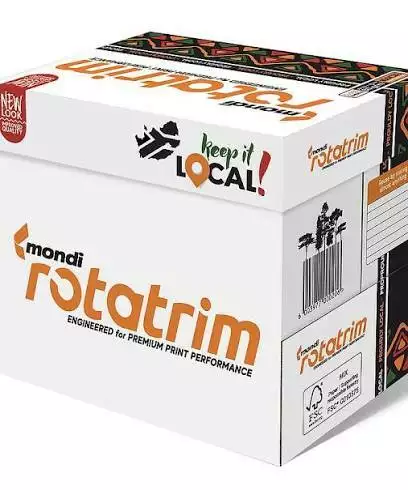
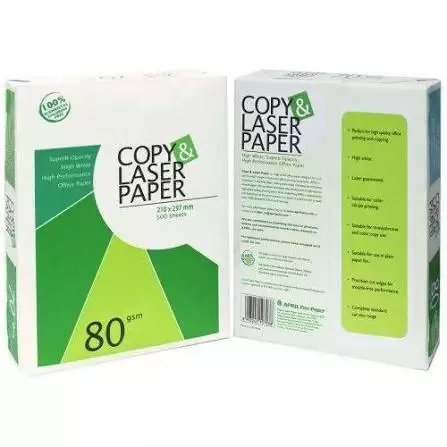
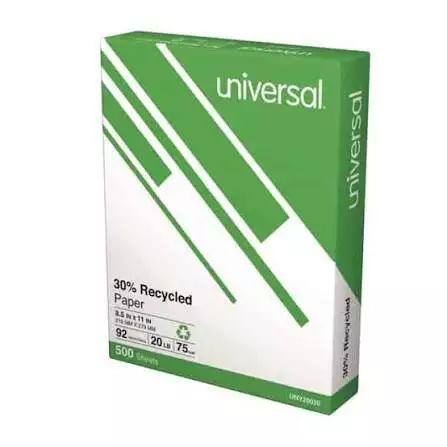
Once you know your size, weight, and volume, brand becomes mostly about consistency and trust rather than raw specs — a well-known brand at your target GSM will perform predictably order after order, which matters more for high-volume offices than for occasional buyers.
Put It Together: Your Quick Decision Path
- Confirm your size (A4 vs Letter vs Legal)
- Match GSM to what you actually print (75 default, 80 for double-sided/client-facing)
- Don't overthink printer type — standard copy paper works for both
- Size your order to your real usage, not a guess
- Pick a brand you can order consistently
Frequently Asked Questions
Q: What's the best copy paper for most offices? A: For most general office use, 75GSM copy paper from a consistent, recognized brand covers the majority of needs without overpaying for weight or brightness you don't need.
Q: Is more expensive copy paper always better? A: No — price often reflects brightness, opacity, and brand recognition rather than functional performance for everyday printing. Match spending to your actual use case rather than defaulting to the priciest option.
Q: How do I know if I'm buying the right paper size? A: Check what size your region and printer default to — most of the world uses A4, while the US and Canada use Letter.
Q: Should I buy in bulk or by the ream? A: If your usage is predictable and ongoing, bulk buying saves meaningfully per ream. For occasional or uncertain use, buying by the ream or box avoids overcommitting.
More A4 Paper Resources
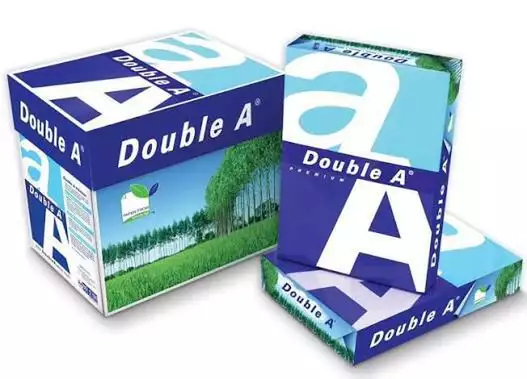
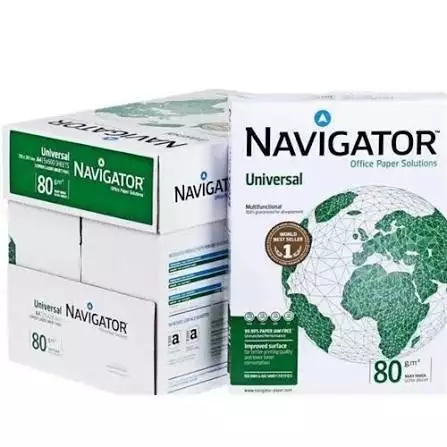
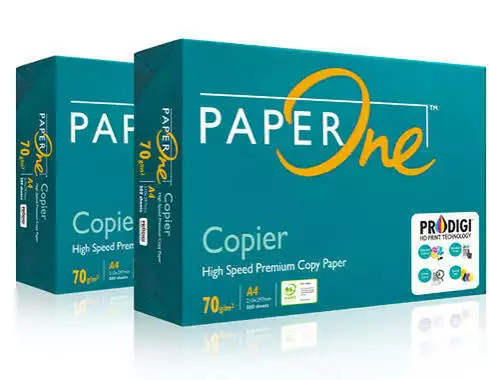
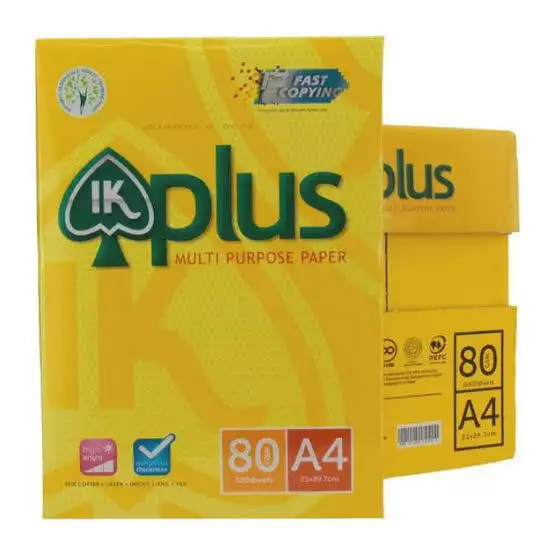
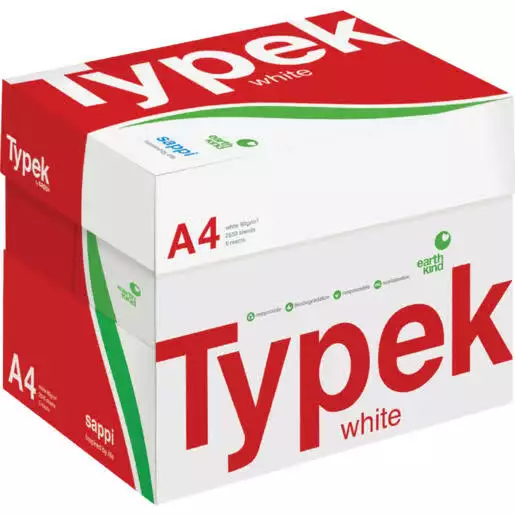
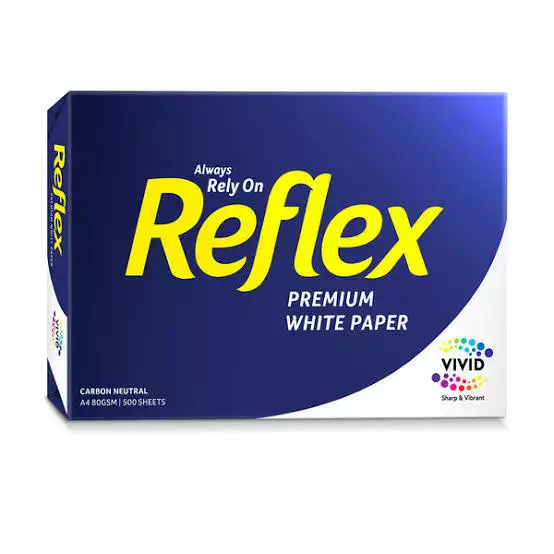
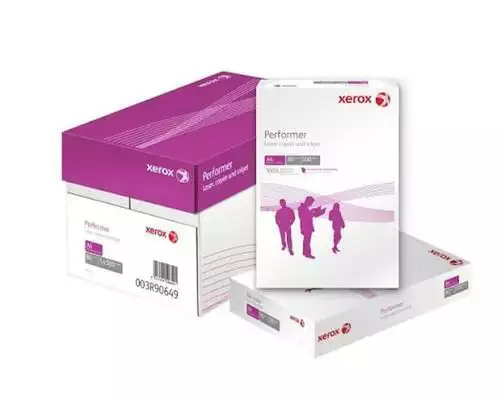
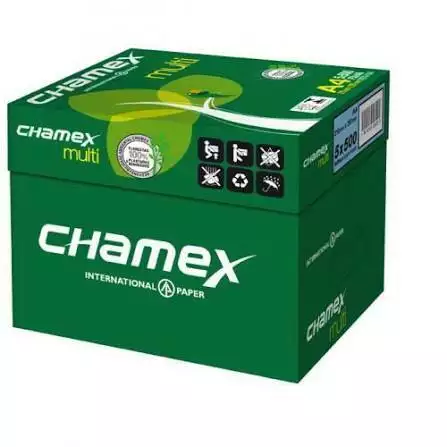
Shop by brand


RELATED ARTICLES


Our A4 Copy paper wholeslae Certificates
ISO Certificate

FSC Certificate

PEFC Certificate
Contacts uS
- Royal copy papers, 109 CCT BLDG., 9TH SURAWONGSE RD koh Samui 2 10500, Thailand, Thailand, Thailand
- +66 65 235 9288
- Royalcopypapers@gmail.com
Business Hours
Mon–Sat: 10:00 AM – 5:00 PM
Sun: 10:00 AM – 3:00 PM
A4 Paper Brands
Contacts uS
- Royal copy papers, 109 CCT BLDG., 9TH SURAWONGSE RD koh Samui 2 10500, Thailand, Thailand, Thailand
- +66 65 235 9288
- Royalcopypapers@gmail.com
Business Hours
Mon–Sat: 10:00 AM – 5:00 PM
Sun: 10:00 AM – 3:00 PM